
Student Hostel Interior Design That Holds Up Over Time
Rooms, common areas and storage all need to feel like home while surviving years of heavy daily use, with fire safety confirmed by the right authority.
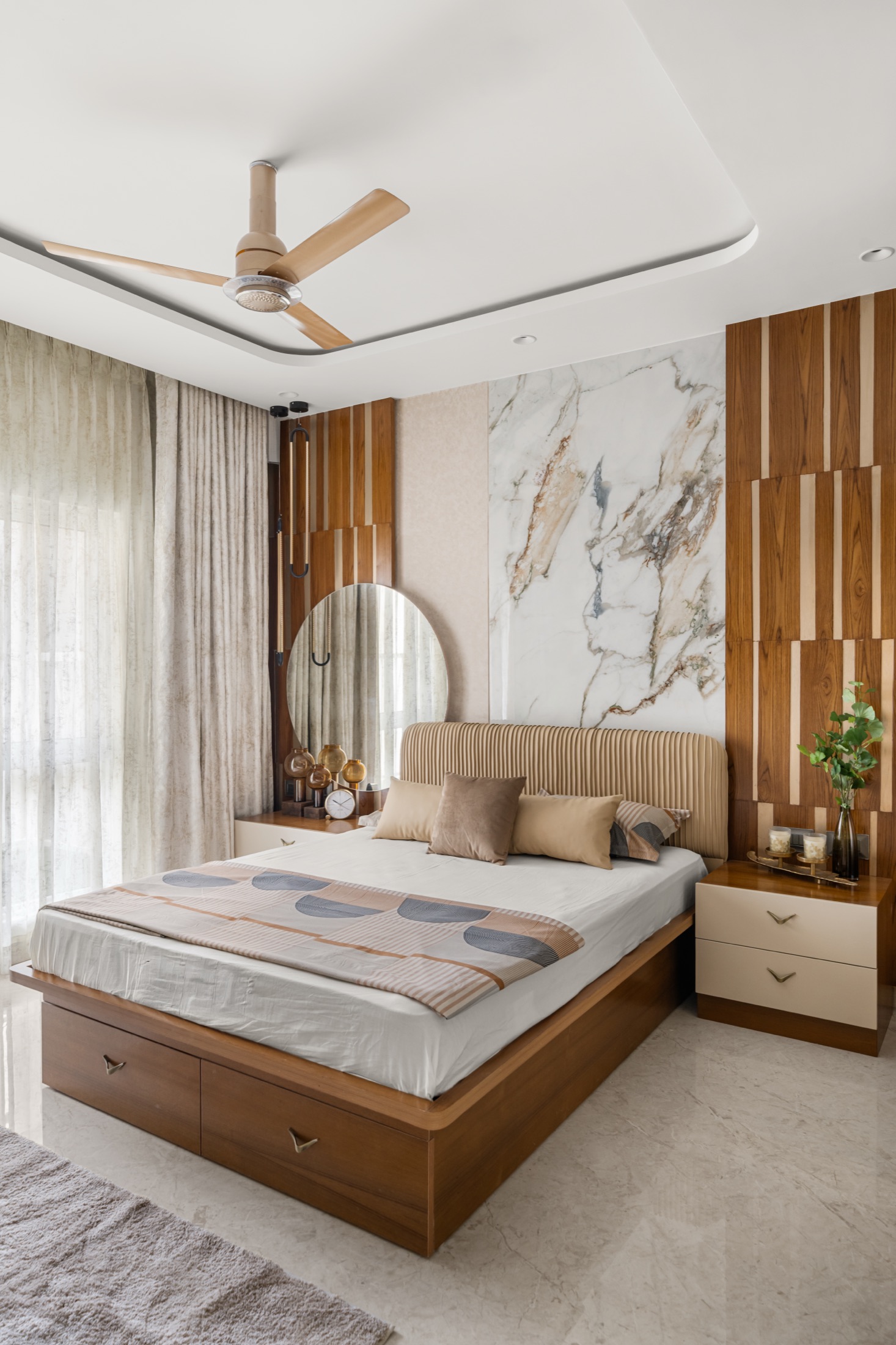
A student hostel has to work as a home for people who are usually living away from their families for the first time, inside a building that also has to survive years of heavy, unsupervised daily use. That combination is what makes hostel design genuinely different from a regular residential project: every material and layout decision has to hold up to real wear while still making a small room feel like somewhere a student wants to spend time.
Rooms Need to Do More With Less Space
Most hostel rooms are compact and often shared, so every piece of furniture has to earn its place. A bed with storage built into the base, a study desk positioned to catch natural light rather than a shadow, and a wardrobe sized realistically for what a student actually brings, rather than a generic showroom unit, all make a small room function far better than a slightly bigger room with careless furniture placement.
In shared rooms, give each occupant a clearly defined zone, even if it's just a visual break created by furniture placement or a change in wall colour, so two or three students sharing a room each have a sense of their own space rather than one undivided block. Bunking beds sensibly, rather than defaulting to it everywhere, frees up floor area in rooms where a slightly taller ceiling or a smaller occupancy allows single beds instead.
Common Areas Carry the Social Weight of the Building
A hostel's common room, dining area and corridors do the job a living room does at home, so they deserve real design attention rather than being treated as leftover space between rooms. Comfortable seating in varied groupings, good lighting that doesn't feel institutional, and a mix of quiet corners and louder social zones let different moods coexist without one group's noise pushing another group out entirely.
Study spaces outside the bedroom, whether a shared table on each floor or a dedicated study hall, give students who don't have a quiet roommate somewhere else to go. This matters more in a hostel than almost any other building type, since there is nowhere else for a student to retreat to.
Storage and Durability Go Hand in Hand
Storage in a hostel needs to assume a full academic year's worth of belongings arriving on day one and staying until the term ends, so wardrobes, shelves and under-bed storage should all be sized generously rather than minimally. Lockable sections for valuables and documents matter too, since a shared room offers less privacy than most students are used to at home.
Materials that hold up to hostel life without feeling institutional
- Scratch-resistant laminates on desks, wardrobes and shared furniture
- Washable, durable paint finishes in corridors and common areas
- Slip-resistant, easy-to-clean flooring in bathrooms and high-traffic zones
- Sturdy hardware on doors, drawers and wardrobes built for years of daily use
- Warm lighting and a few considered colour choices to soften otherwise practical finishes
Fire Safety Needs Confirmation From the Relevant Authority
A hostel houses a large number of people, often in shared rooms with limited familiarity with the building, which makes fire safety and emergency egress especially important. Requirements around fire exits, alarm systems, fire-rated doors and evacuation routes vary by building size, location and occupancy, so these should always be confirmed with the relevant local authority or a licensed fire safety consultant at the planning stage rather than assumed from another project.
Beyond the formal requirements, simple design choices help in practice: keeping corridors and stairwells free of furniture that could obstruct movement, ensuring emergency lighting is planned into the ceiling design rather than added as an afterthought, and making exit signage genuinely visible rather than decorative. A hostel warden or facilities team should be involved in these conversations early, since they know the building's real evacuation patterns better than a drawing ever will.
Small Comforts That Make a Hostel Feel Lived-In
A few consistent, thoughtful touches, a mirror at a sensible height, a proper laundry drying arrangement, decent Wi-Fi coverage planned into the electrical layout, and enough mirrors and sockets in shared bathrooms to avoid a morning queue, do more for how a hostel feels than an expensive feature wall in the lobby. Students remember whether daily life was easy far more than they remember the entrance décor.
A hostel earns loyalty in the small, ordinary moments of a student's day, not the lobby photograph.
Planning your own home?
Let us collaborate to shape your home or office with the care it deserves.