
Retail and Showroom Interior Planning
Display, circulation, lighting and brand: how to plan a store or showroom that invites people in and lets the product take centre stage.
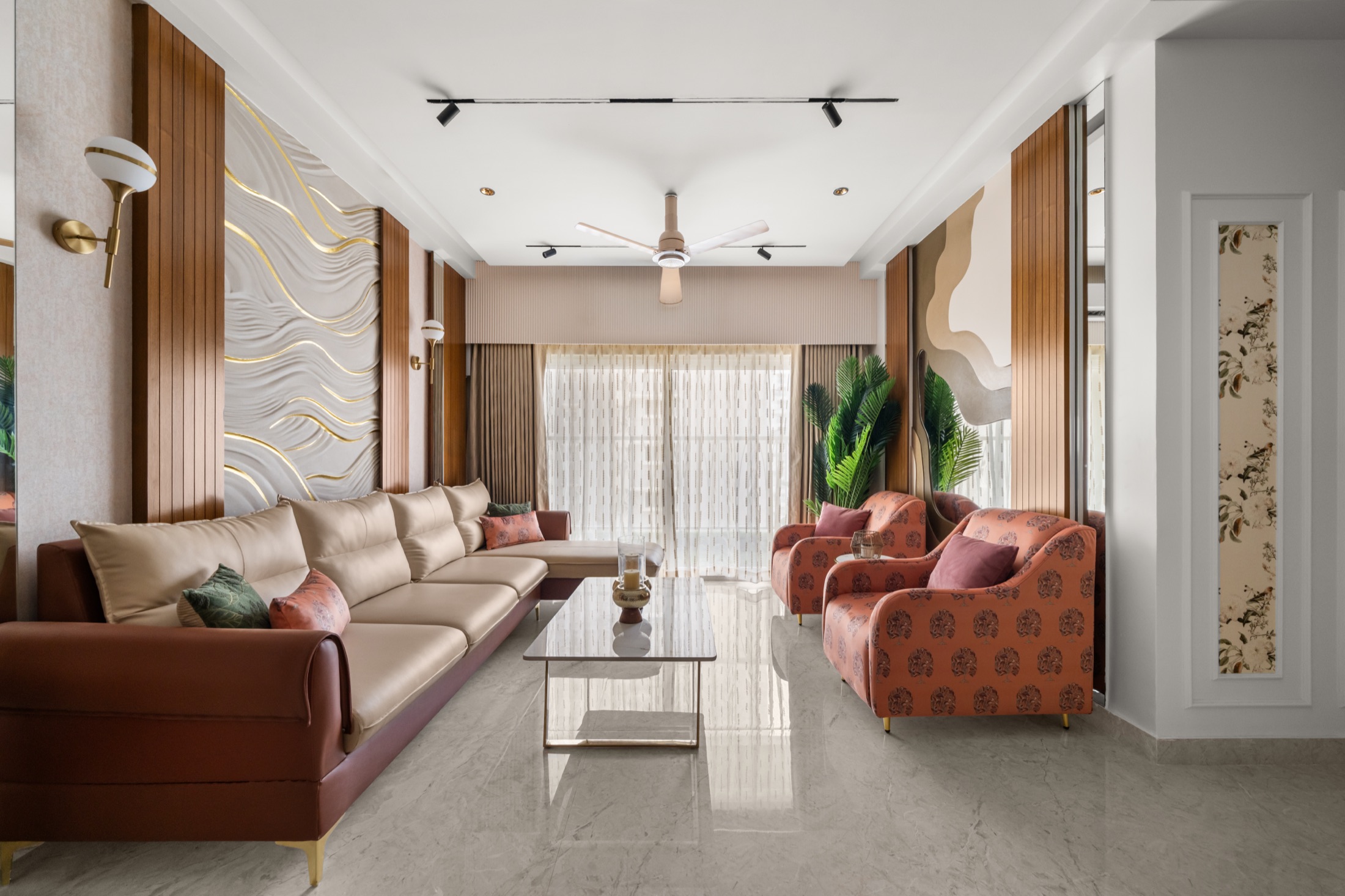
A retail space has one job that a home does not: it has to invite strangers in and help them decide. Everything, from the shopfront to the lighting over a single product, either helps that decision or gets in its way.
Start with the Brand
Before layouts and materials, be clear about who the customer is and what the brand feels like. A premium furniture showroom and a busy everyday store need different pacing, finishes and levels of calm. The interiors should look the way the brand sounds.
Display That Guides the Eye
Give products room. Crowded shelves can look like discounts, while well-spaced displays look considered. Use eye level for hero products, lower shelves and back walls for storage or secondary items, and vary display heights so the eye keeps moving. Movable fixtures let you refresh the floor as collections change.
Circulation and Zoning
Think of the customer's route: entrance, a welcoming first zone, then a natural path that passes the key products without forcing it. Avoid dead ends and cramped corners. A comfortable area to sit, try or discuss, especially in a showroom, helps longer purchase decisions.
Lighting Sells the Product
Retail lighting works in layers. General light keeps the space bright and inviting, while focused spotlights lift products and textures. Colour accuracy matters for fabrics, finishes and jewellery, so choose fittings with that in mind, and test them on real products before committing.
Things worth planning early
- A shopfront and entry that reads clearly from the street
- Storage and stock space that doesn't crowd the sales floor
- A billing counter that is visible but not blocking the entrance
- Power and data for displays, screens and point-of-sale
- Flexible fixtures that can change with seasons and launches
Keep It Flexible
Stores change constantly, so avoid fixing everything permanently. Modular shelving, movable plinths and a lighting track that can be re-aimed keep the space fresh without rebuilding it. Storefront, signage and fire-safety requirements vary by location and building, so confirm them with the relevant authorities and the property owner.
The Storefront and Entry
The shopfront does the first job of selling. A clear, well-lit window, a readable sign and an entrance that feels inviting encourage people to step in. Inside, leave a small open area just past the door, so a visitor can pause and take in the store before they are asked to choose. Placing the strongest display within sight of the entrance gives the store an anchor.
For showrooms, think about how vehicles, furniture or large items move in and out. Doors, floor strength and a delivery route should be worked out before the finishes are chosen.
Fixtures, Storage and Stock
Fixtures should work as hard as the product. Modular shelving, rails and tables can be rearranged for a new season, while back-of-store storage keeps the shop floor uncluttered. Keep stock near where it is sold, and plan a tidy, easily accessible stockroom so staff aren't leaving customers to fetch items.
- Mix of eye-level, low and high displays so nothing feels flat
- Fixtures with adjustable heights and lighting
- Concealed storage behind counters and in the stockroom
- Clear space around fitting rooms and demonstration areas
Billing, Fitting and the Last Impression
The counter is where a sale is completed or lost. Put it where staff can see the whole floor, give it enough space for packing and paperwork, and keep impulse products to hand. A fitting room needs good light, a mirror, a hook and a little privacy, since a cramped or dim one can lose a sale.
Finish with the details a customer remembers: friendly staff, comfortable seating for companions, a clean washroom if the premises allow it, and a smooth exit. Requirements for fire safety, signage and licensing depend on your location and the premises, so confirm them with the relevant authority and your landlord before you begin.
A great store makes the product the hero and the customer feel at ease, and the design simply gets out of the way.
Planning your own home?
Let us collaborate to shape your home or office with the care it deserves.