
How to Design a Library That Actually Works
Reading zones, stack layout, acoustics and lighting all decide whether a library feels calm and usable or simply large and echoey.
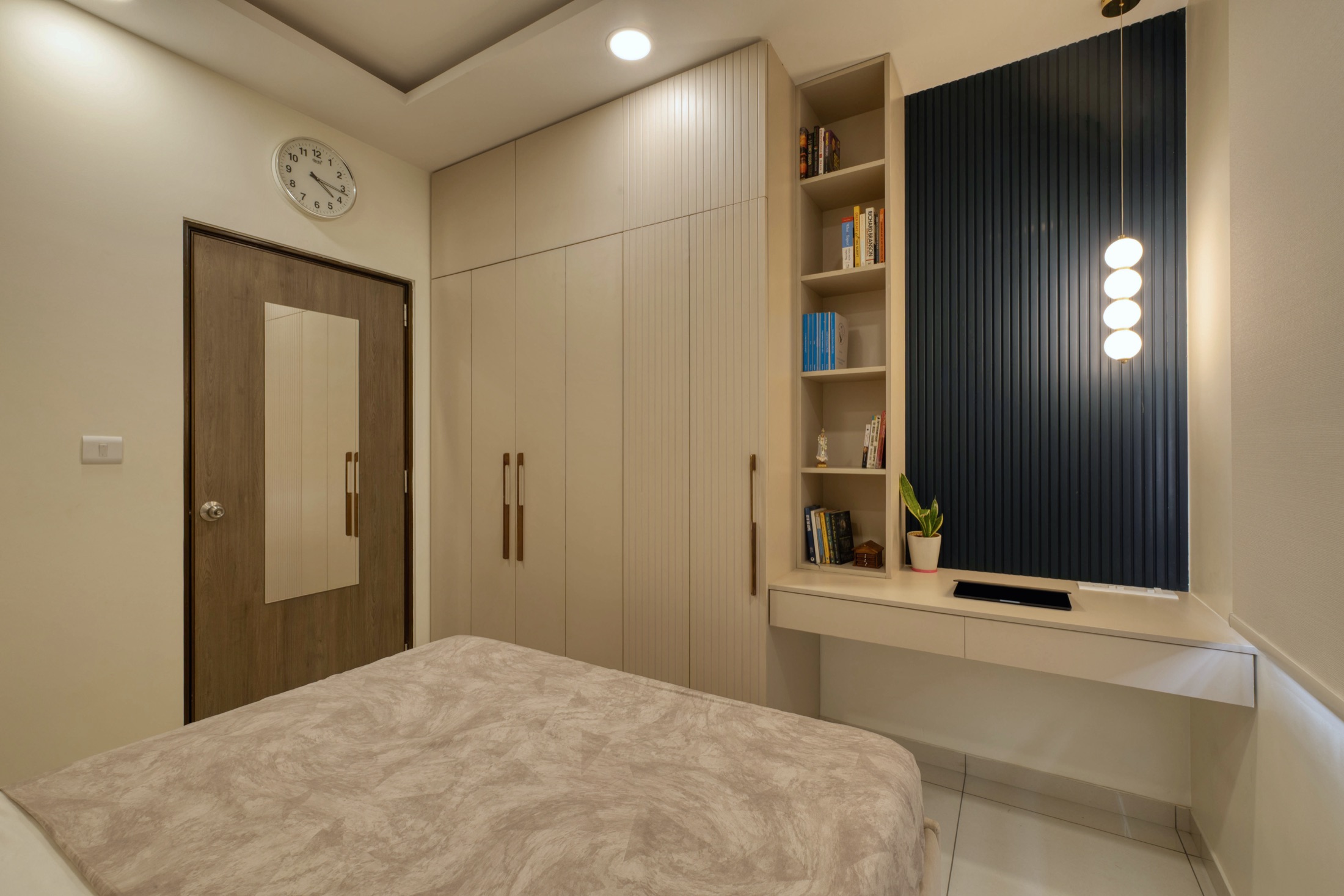
A library is one of the few interiors that has to hold near-silence and quiet conversation, physical books and screens, and long solitary study alongside group project work, all under one roof without any of it feeling squeezed. Good library design is less about a single reading room and more about a careful map of zones, each tuned to a different volume level and a different kind of concentration.
Reading Zones Deserve More Than One Mood
A single large reading hall might look impressive, but most people study better in smaller, more varied settings. A mix of long communal tables, individual carrels facing a wall or window, and a few soft seating corners gives readers a real choice depending on whether they want to spread out papers, focus without distraction, or read for pleasure in something closer to a lounge chair.
Placement near windows should be considered carefully: daylight is genuinely good for a reading area, but direct glare on a desk or screen undoes that benefit quickly. Orient tables and carrels so light falls across the work surface rather than straight into a reader's eyes, and use blinds or deeper window reveals where the sun angle is difficult. A view out, even a partial one, also helps people take the short mental breaks that long study sessions need, so it is worth protecting a few of the best window seats for exactly that purpose rather than filling every sightline with shelving.
Stack Layout Is a Circulation Problem First
Shelving rows need to be spaced for comfortable browsing, with enough width for two people to pass without a squeeze, and end-of-aisle signage that lets someone scanning the room find a subject without walking every row. Taller stacks should sit where they don't block sightlines to service desks or emergency exits, since a library's floor plan often has to serve a lot of people who are unfamiliar with the space.
Leave breathing room between the stacks and any seating area, both to reduce noise carrying from browsing shelves into reading zones and to give staff a clear path for reshelving trolleys during open hours without disrupting people at nearby tables. Lower shelving toward the front of a section and taller runs further back also help newcomers judge the scale of a collection at a glance, instead of feeling boxed in by height the moment they step off the main aisle.
Acoustics Separate the Zones More Than Walls Do
Sound is arguably the single biggest design variable in a library, since the same open floor plan can feel calm or chaotic purely based on how noise travels. Soft flooring, acoustic ceiling panels, and upholstered furniture in quiet zones all absorb sound that would otherwise carry across an open plan, while group study rooms benefit from proper door seals and denser wall construction rather than a token partition.
A simple zoning approach that keeps volume levels honest
- Silent zone: individual carrels and reading tables, away from entrances and stacks
- Quiet zone: general reading and browsing areas with normal library etiquette
- Collaborative zone: bookable group rooms with proper acoustic separation
- Social zone: a cafe or lounge corner near the entrance, kept apart from study areas
- Digital zone: computer and device stations with their own power and cabling needs
Lighting That Supports Long Hours of Reading
Even, glare-free lighting matters more in a library than almost any other interior, since people spend hours reading fine print or staring at screens under it. Layer ambient lighting across the floor with dedicated task lighting at desks and carrels, and avoid a single harsh ceiling grid that leaves shadows falling across a page at certain seats.
Colour temperature should stay consistent across the reading floor so eyes don't have to readjust moving between zones. A slightly warmer tone in social and lounge areas helps signal, without any signage at all, that the mood there is meant to be more relaxed.
Digital and Quiet Zones Can Share a Floor Without Clashing
Computer stations, charging points and device lending desks are now as central to most libraries as the shelves themselves, and they deserve their own zone rather than being scattered among reading tables where keyboard noise and notifications disturb quieter neighbours. Position this zone near the entrance or a natural circulation path so it doesn't require crossing the silent zone to reach, and plan cable management generously, since a tangle of chargers under a shared table ages a library's look faster than almost any finish choice.
A library works when every reader can find the exact quiet they came in looking for.
Planning your own home?
Let us collaborate to shape your home or office with the care it deserves.