
How to Plan a Functional Dining Area
A dining area that works day to day is decided by table shape, circulation space and the seating you actually need, before style enters the picture.
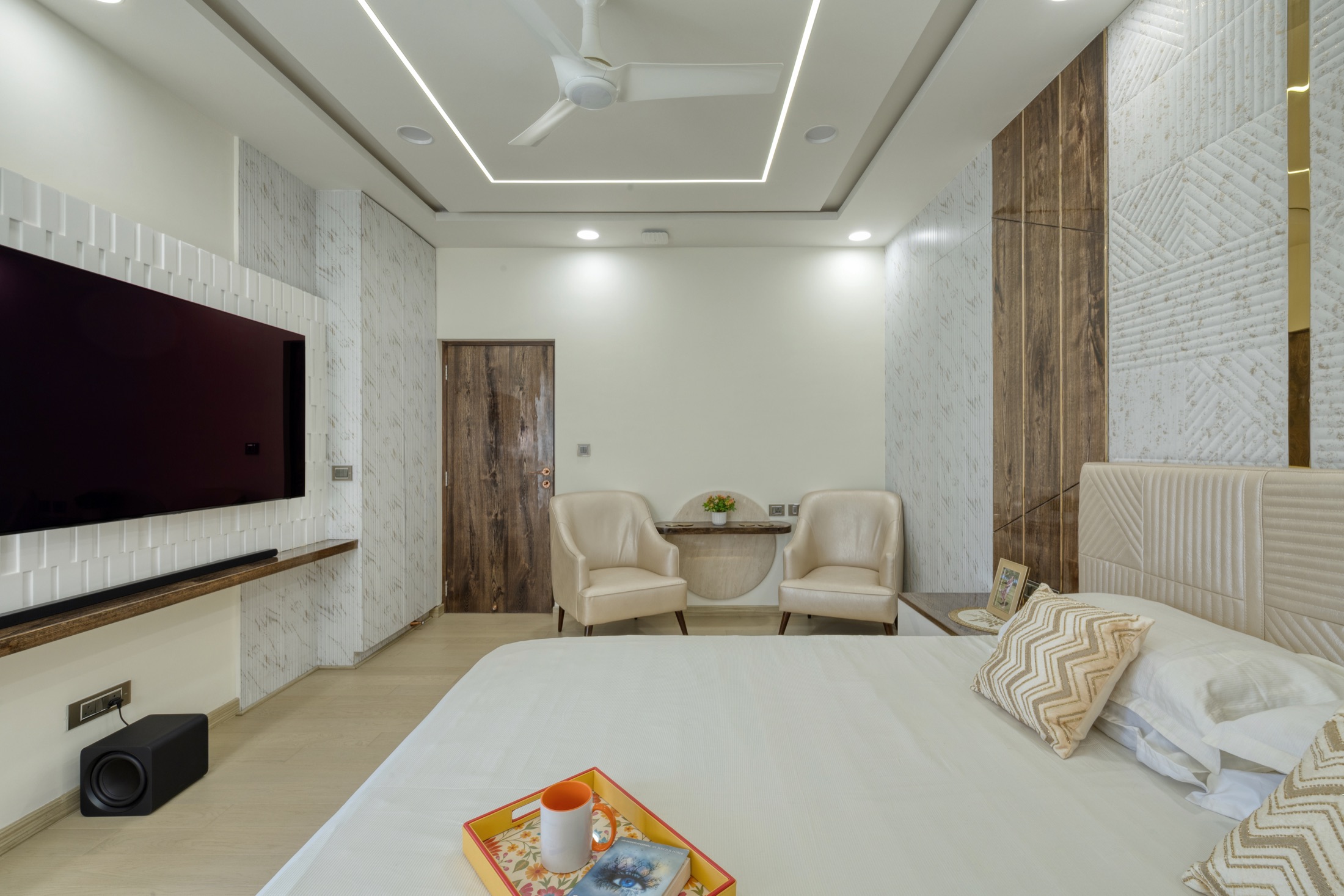
A dining area is used more often for quick weekday meals than for the dinner parties most design boards are built around, and planning for the everyday use first tends to produce a space that also handles guests well, rather than the other way round.
Rectangular or Round: It Depends on the Room
A rectangular table generally suits a narrower or longer room and seats more people efficiently along its length, while a round table works well in a more square space and tends to feel more inclusive for conversation since no one sits at a distant end. The room's proportions, more than personal taste, should usually decide this first.
Give Circulation Real Space
- At least 90 centimetres between the table edge and the nearest wall or furniture, for a chair to be pulled out and walked behind
- More clearance on the side used to enter and exit the kitchen
- Space to fully open any sideboard or cabinet doors near the table
- A path that doesn't force guests to squeeze past seated diners
Seat for Daily Life, Not Just Special Occasions
If a family of four eats together daily but hosts eight a few times a year, the everyday table should comfortably seat four without feeling too large for the room, with the option of an extendable top or additional folding chairs kept aside for when guests come over. Sizing permanently for the occasional large gathering often leaves an oversized table dominating the room the rest of the time.
Benches and End Chairs
A bench along one side of the table can seat more people in less visual bulk than individual chairs, and works well against a wall in a tighter room. Distinct end chairs — an armchair-style seat at the head of the table — can also make the everyday act of eating feel a little more considered without changing the table's footprint.
Light Where the Food and Faces Are
A pendant light centred over the table, hung low enough to feel intimate but high enough not to obstruct sightlines across it, does more for a dining area's atmosphere than almost any other single choice, and is worth planning before the table's final position is fixed.
A dining table earns its place by being used every day, not by looking good once a year.
Planning your own home?
Let us collaborate to shape your home or office with the care it deserves.