
How to Plan a Calm and Organised Master Bedroom
A master bedroom works when storage is customised to what you own, wiring disappears, and the room is planned for both rest and quiet work.
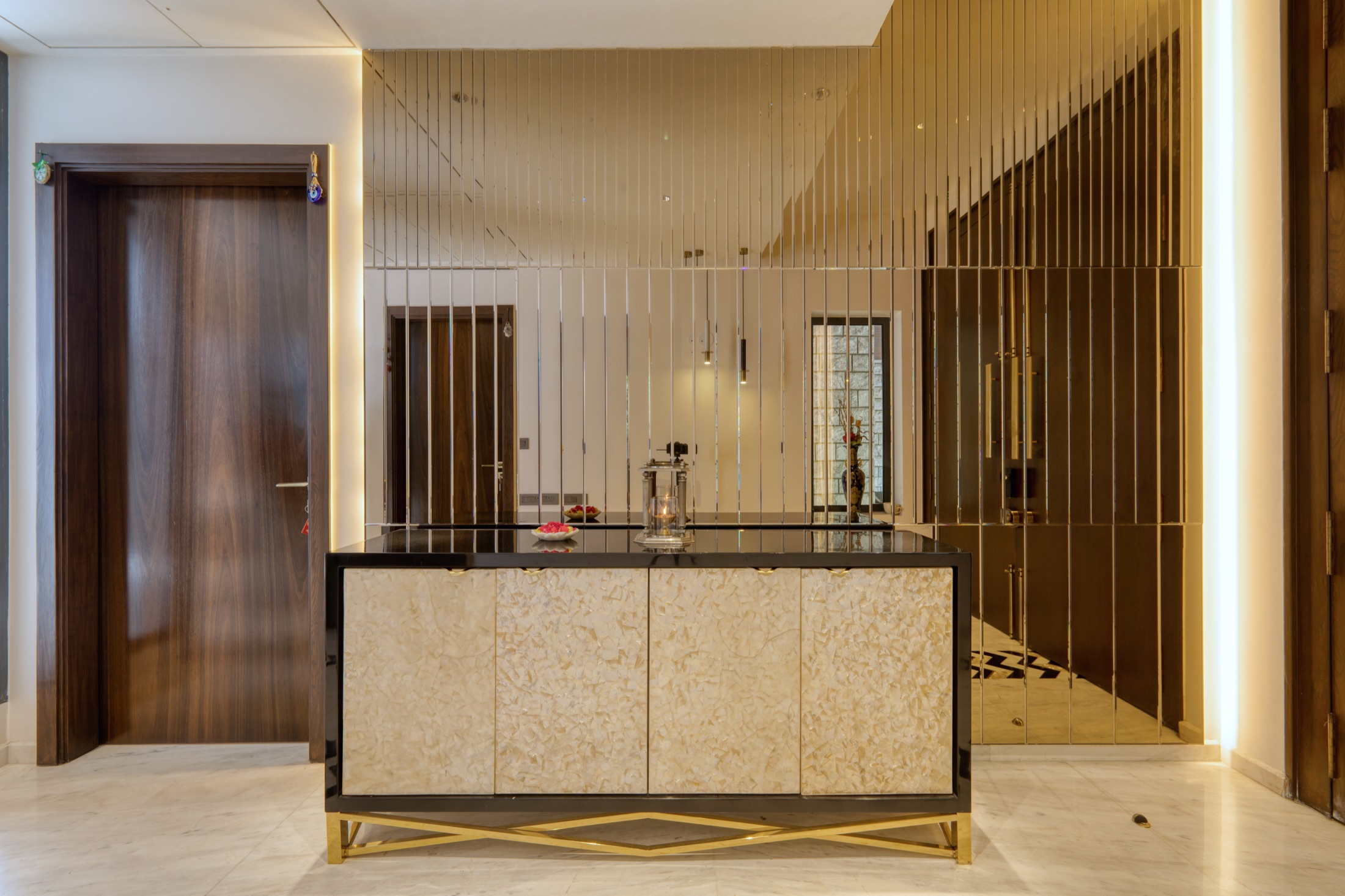
The master bedroom carries more competing demands than any other room in the home — storage for two people's wardrobes, a place to relax, sometimes a desk, always a bed that has to feel restful at the end of a long day. Getting it right is less about adding features and more about deciding what the room should quietly take care of.
Storage Sized to What You Actually Own
A standard wardrobe layout rarely matches how two people actually dress. Customised interiors — more hanging space for one person, more folded storage for the other, a dedicated section for accessories or footwear — make the difference between a wardrobe that's full and one that's usable. This is worth measuring properly before the carcass is finalised, not adjusted after.
Small Comforts That Change Daily Life
- A window seat for reading or morning coffee, where the layout allows
- Bedside charging points built into the nightstand, not trailing on the floor
- Reading lights on an independent switch from the main room light
- Concealed wiring for lamps, chargers and any wall-mounted television
Balancing Storage and Relaxation
It's tempting to push storage into every available wall, but a bedroom with wardrobes on every side can start to feel like a walk-in closet rather than a place to rest. Leaving at least one wall — usually behind the headboard — free of storage, and keeping storage fronts visually calm, protects the sense of it being a bedroom first.
Television and Work, If You Need Them
If a television or a small work desk is genuinely wanted in the bedroom, it's better planned in from the start — wiring routed within the wall, a unit sized to the room rather than squeezed in, and enough distance between the bed and the screen. Where possible, keeping work out of the bedroom altogether protects it as a space to switch off in, which most people say they want more of once the room is finished.
Lighting Layers, Not One Bright Bulb
A single ceiling light forces the room into one mood at all times. A master bedroom benefits from at least three layers — ambient light for general use, focused reading lights by the bed, and a dimmer or accent layer for the evening — each on its own switch so the room can shift from getting ready in the morning to winding down at night.
A bedroom doesn't need more furniture to feel finished. It needs fewer decisions left for you to make every night before you sleep.
Planning your own home?
Let us collaborate to shape your home or office with the care it deserves.