
How to Design a Living Room That Is Both Practical and Beautiful
A living room that looks good in photographs and holds up to daily family and guest use is a matter of proportion, circulation and light — not compromise.
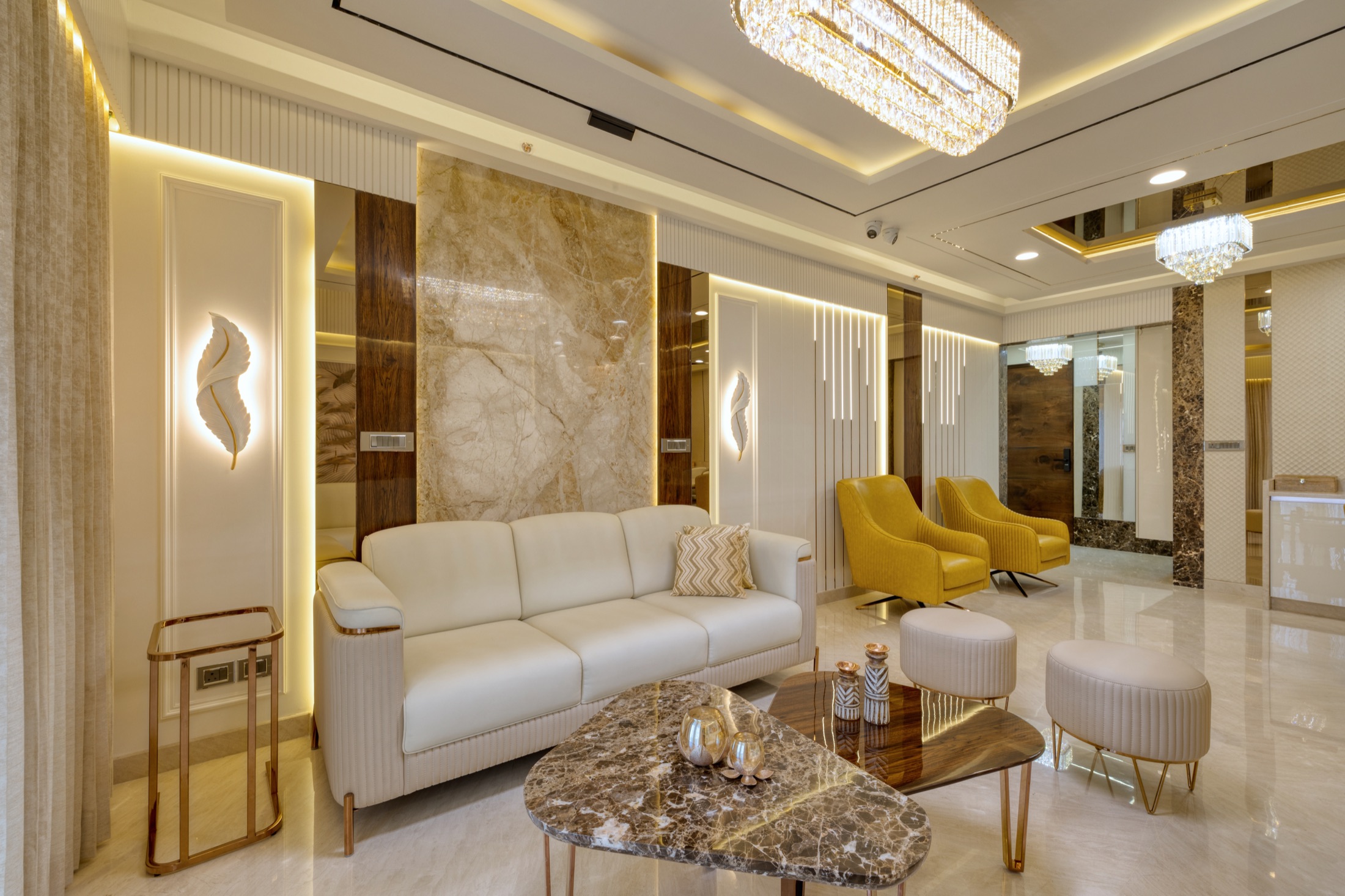
Homeowners often describe wanting a living room that is 'practical but also beautiful', as if the two pull in opposite directions. In practice, the rooms that photograph best are usually the ones that were planned around how they're actually used — the beauty is a result of the planning, not a separate layer added on top.
Start With Who Uses the Room, and How
A living room used daily by a family with young children needs different seating and surfaces from one used mainly for hosting guests on weekends. Before choosing a sofa or a coffee table, it's worth being honest about the mix — everyday family time, occasional entertaining, television viewing, quiet reading — because that mix decides the seating count, the layout and even the materials that will hold up.
Furniture Proportioned to the Room
- Sofa depth and arm width checked against the room's actual dimensions, not just the showroom floor
- A coffee table sized to the seating around it, with clearance to walk past comfortably
- Rugs large enough that at least the front legs of major furniture sit on them
- Side tables placed within arm's reach of every seat, not just for symmetry
Comfortable Circulation Comes First
A beautiful sofa arrangement that blocks the natural path from the entrance to the balcony or the kitchen will be worked around every single day, and that friction eventually reads as the room not working, regardless of how it looks. Walking the intended paths through the room, physically, before finalising the layout catches this early.
One Focal Point, Not Several Competing Ones
A room with a feature wall, a chandelier, a large piece of art and a bold rug is often trying to say too much at once. Choosing one focal point — a media wall, a striking light fixture, or a considered piece of furniture — and letting everything else support it quietly gives the room a clearer sense of design rather than a collection of individually nice things.
Lighting in Layers, Materials That Last
Ambient light for general use, task lighting for reading, and accent lighting for evenings each do a different job, and a room with only a central ceiling light is working with one tool where it needs three. Materials, meanwhile, should be chosen for how they'll look after real use — spills, feet, pets — not just for how they photograph on day one.
A living room earns the word beautiful by surviving daily life well, not despite it.
Planning your own home?
Let us collaborate to shape your home or office with the care it deserves.