
How to Design a Hospitality Space Guests Remember
From a welcoming lobby to restful rooms and layered lighting, how boutique hotels and homestays create the small moments guests remember.
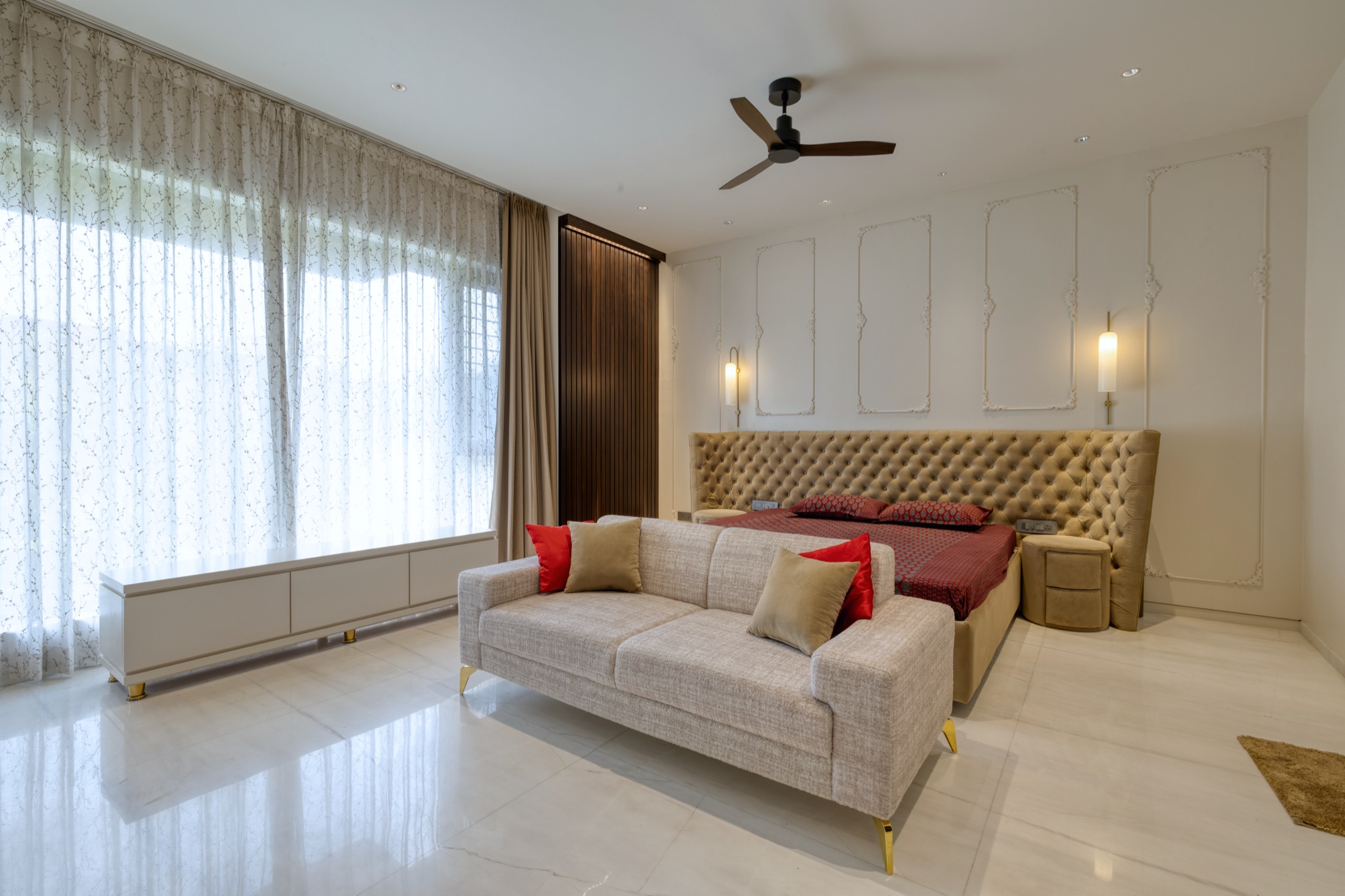
People rarely remember a hotel or homestay for its floor plan. They remember how the lobby smelled, how the light fell in the room at night, how easy it was to feel at home. Designing hospitality is about shaping those small moments deliberately.
The Lobby Is the First Impression
Guests decide quickly whether a place feels welcoming. A clear entry, a reception that is easy to find but not intimidating, and a comfortable seating spot to wait all help. Use a few strong materials, such as warm timber, stone or textured plaster, rather than many competing ones. A single memorable feature, like a lit wall, a large plant or a piece of local craft, can anchor the space.
Rooms Should Feel Restful
A guest room needs to work for a tired traveller at 11 pm. That means a comfortable bed placed well, enough bedside power points and lights, a place to open a suitcase, good blackout curtains and a bathroom that feels clean and generous. Simple, well-made furniture usually beats elaborate pieces that are difficult to maintain.
Lighting Creates the Mood
Hospitality lighting is best layered and dimmable. Avoid a single harsh ceiling light; instead use warm lamps, wall washers and concealed strips so guests can choose their own mood. Corridors, stairs and outdoor paths still need to be lit clearly and safely.
Details Guests Notice
- Scent, sound and temperature, often more remembered than the decor
- Local materials, art and craft that give the place a sense of location
- Comfortable, durable fabrics that can be cleaned or replaced easily
- Thoughtful signage and wayfinding so guests never feel lost
- Outdoor or shared spaces that invite people to linger
Design for Operations Too
A property that looks beautiful but is difficult to clean or repair will lose its charm quickly. Plan storage for linen, easy service routes for housekeeping and materials that can handle constant use. Building and safety requirements for guest accommodation should be confirmed with the relevant authorities during planning.
Sound, Scent and Touch
A memorable space engages more than the eyes. Soft furnishings, rugs and upholstered headboards absorb sound so corridors and rooms feel hushed. A consistent, subtle scent in the lobby becomes part of how guests remember the place, provided it is gentle and not overpowering. Touch matters too: the weight of a door handle, the feel of a linen, the smoothness of a counter all tell guests whether they are being looked after.
Music deserves the same care as furniture. Choose volume and tempo to suit each area, quieter in the lobby and lounge, livelier at a bar, and make sure speakers are placed so no spot is too loud.
Shared Spaces Beyond the Room
Lounges, restaurants, terraces and gardens often hold more of a guest's memory than the bedroom. Give them variety: a table for a quiet coffee, a long communal table for groups, a corner for reading. Plants, natural materials and local craft give a Bangalore property a sense of place that a generic layout cannot.
- Seating for different moods, from private to social
- Outdoor or semi-open areas that make use of the city's climate
- Local art, textiles or craft to anchor the space in its setting
- Good access and comfortable circulation for guests of all ages
Consistency Across Touchpoints
Guests move from the website to the entrance to the room to the breakfast table, and each step should feel like the same place. Signage, uniforms, menu design, lighting and colour should share a language, so the brand feels considered rather than assembled from different catalogues.
Before you finalise, walk through the guest journey with the operations team: arrival, check-in, luggage, room, dining, checkout. Ask where a tired guest at midnight would struggle, and where a busy morning would create a bottleneck. Fire safety, licensing and accessibility rules for hospitality properties are set by local authorities, so confirm them with the relevant professionals early.
Guests forget the specifications and remember the feeling. Design for that feeling and the details tend to follow.
Planning your own home?
Let us collaborate to shape your home or office with the care it deserves.