
How to Design a Children's Room That Grows With Them
The right mix of timeless fixed furniture and easily replaceable decor lets a child's room mature without a full redo every few years.
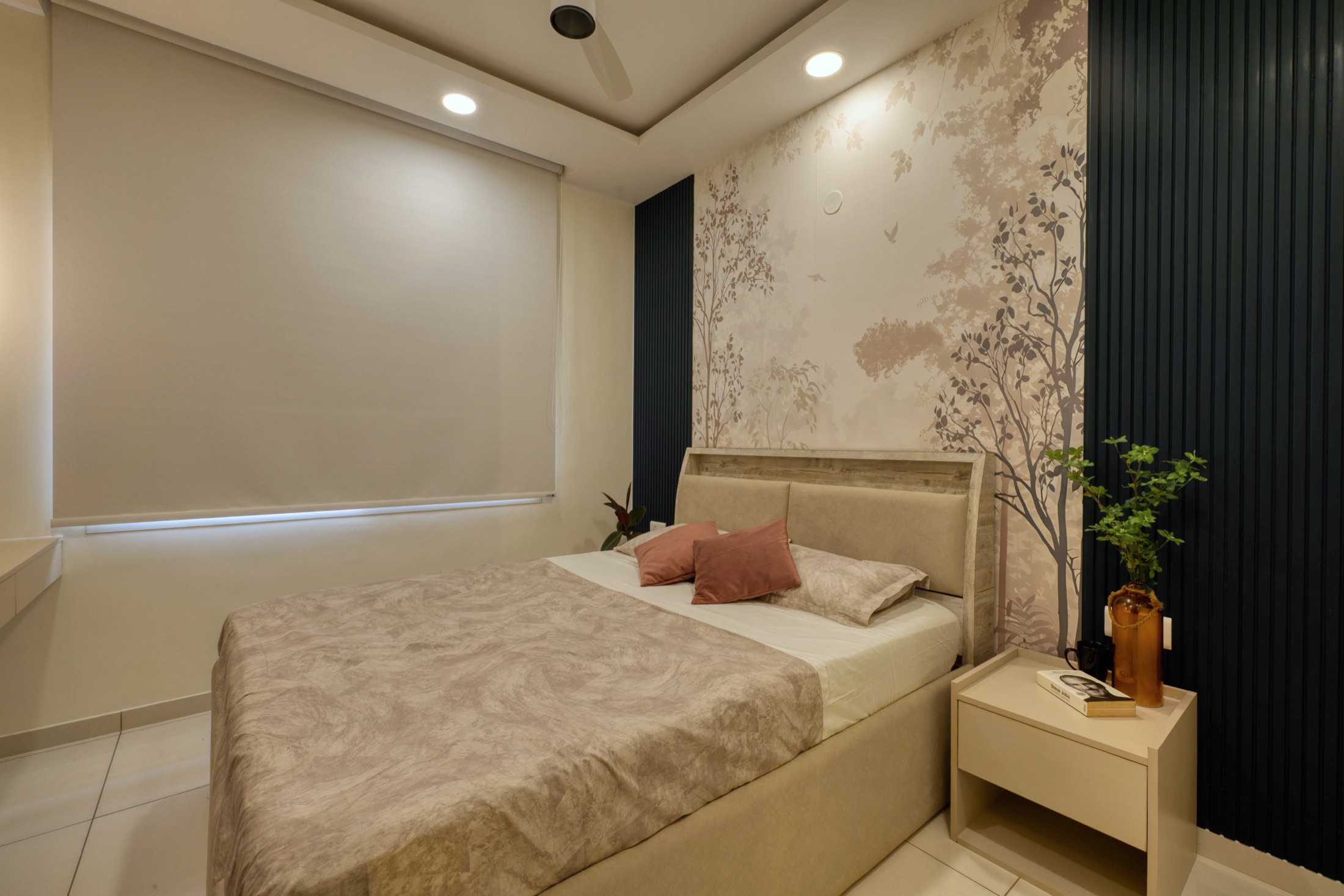
A child's room designed around a toddler's favourite cartoon rarely survives their tenth birthday, let alone their teenage years. The rooms that age well separate what should last — the furniture, the layout, the storage — from what is meant to change, and make the changeable parts genuinely easy to swap.
Choose Fixed Furniture for the Whole Childhood, Not a Phase
- A study desk sized for an adult, not a five-year-old, adjusted with chair height instead
- A wardrobe with adult-height hanging space alongside lower sections for early years
- A bed frame in a neutral finish that doesn't read as a specific age group
- Storage units built to hold books and files later, not just toys now
Let Decor Do the Growing Up
Wall colour, bedding, curtains, wall art and rugs are the cheapest and fastest things to change, so they should carry most of a room's personality at any given age. A neutral wall with a bold curtain or a gallery of art is far easier to update at twelve than a wall painted with a permanent mural at four.
Storage That Changes Its Job
Toy storage today is book and stationery storage tomorrow. Open bins and low shelves that suit a toddler's toys can be replaced by the same footprint of drawers or closed cabinets for a school-going child's supplies, if the underlying unit was built with that transition in mind rather than as a fixed toy chest.
Study Ergonomics from the Start
An adjustable chair, a desk at the right height with knee clearance, and task lighting positioned to avoid shadows on the writing surface matter from the first day a child starts homework, and they matter more, not less, as study hours increase through school. Planning the desk and its lighting properly early avoids a disruptive redo later.
Room for Hobbies and Sleepovers
- A clear floor area for building, drawing or play that doesn't require moving furniture
- A daybed or trundle option for sleepovers without a permanent second bed
- Wall space kept free for a pinboard, shelf or display that changes with interests
- Sockets and shelving placed with future hobbies — music, art, gaming — in mind
The best children's rooms aren't designed for the child you have today. They're designed to keep up with the one they're becoming.
Planning your own home?
Let us collaborate to shape your home or office with the care it deserves.