
How to Design a Home Office That Actually Separates From the House
Acoustics for calls, camera-friendly lighting and a clear boundary from the rest of the home make a home office genuinely usable.
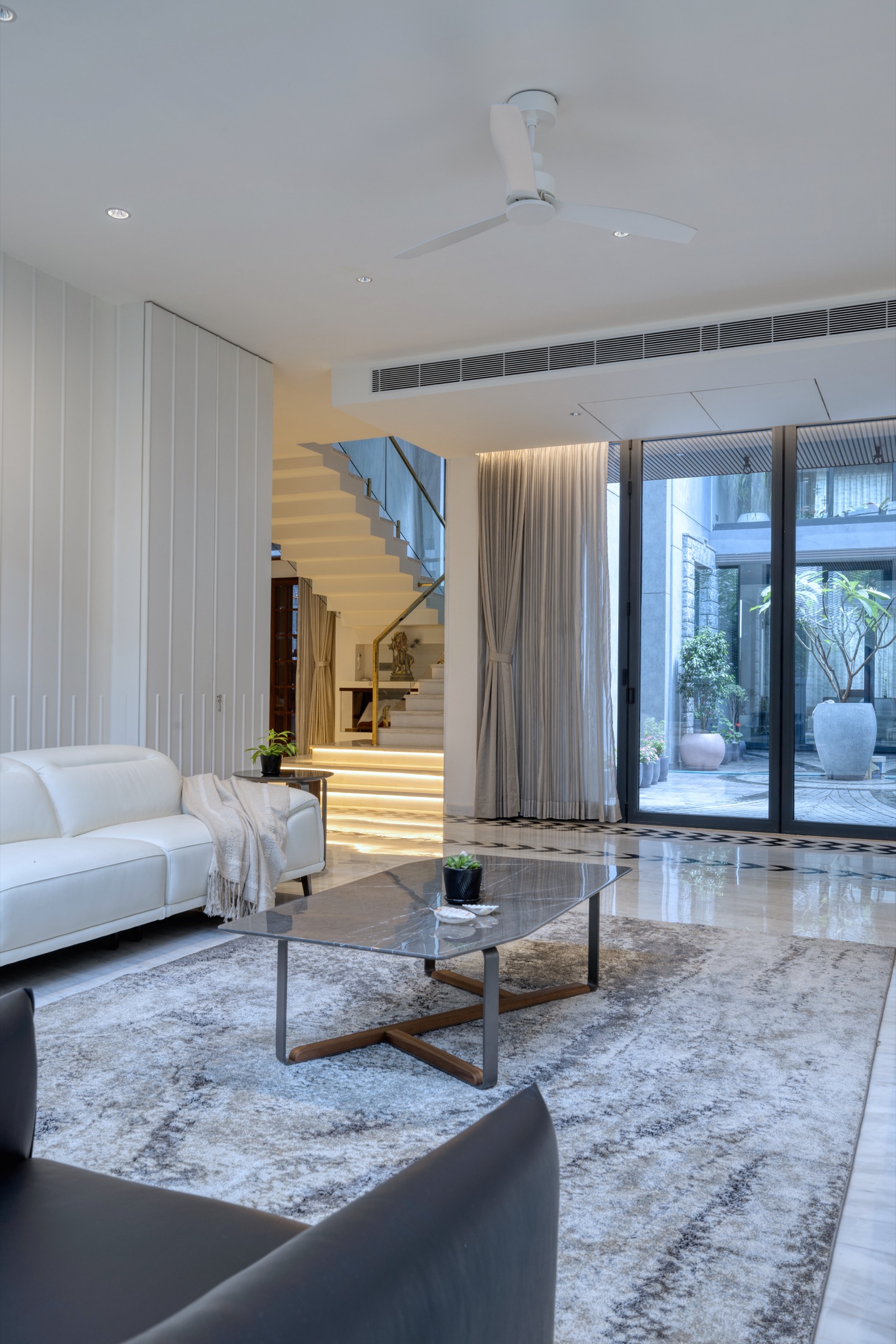
A home office that works isn't necessarily the biggest or best-furnished room in the house — it's the one that genuinely separates from the rest of daily life for the hours it needs to. Get that separation right, along with the basics of light, sound and posture, and even a small corner can carry a full working day. Skip it, and even a generously sized room will feel like a compromise every time a call runs long.
Draw a Line Between Work and the Rest of the House
The clearest home offices have some physical marker of the boundary, even in a shared or open space — a door that closes, a bookshelf used as a partial divider, or simply a desk turned to face away from the household's main sightlines rather than into them. Without that marker, it's easy for a laptop on the dining table to slowly become the permanent workspace, with the actual office room used for storage instead.
Where a dedicated room isn't available, a defined zone within a bedroom or living space still benefits from its own lighting and, ideally, a screen or curtain that can close it off visually during non-work hours. The goal is a space the rest of the household recognises as work, even briefly, so interruptions and instincts adjust accordingly.
Acoustics for a Day Full of Calls
Video calls have made a home office's acoustics far more visible to colleagues than they used to be, and hard, reflective rooms carry echo and household noise straight into every meeting. A rug, curtains, upholstered seating and a few soft furnishings absorb far more sound than most people expect, often enough to fix a distractingly echoey room without any dedicated acoustic panels at all.
Position the desk away from shared walls with a kitchen, a play area or a main corridor where possible, since these carry the most unpredictable noise through a working day. If a quieter placement isn't available, a door with a proper seal and a soft-close mechanism does more for perceived quiet than most people assume a simple door change could.
Lighting That Works for the Camera, Not Just the Desk
Good task lighting for reading and writing is only half the brief now — a home office also needs to light the person sitting in it well on camera. A window in front of the desk, or a soft light source at roughly eye height, flatters a video call far more than an overhead downlight that casts shadows under the eyes and chin.
Position the desk so the background behind the person on camera is intentional rather than accidental — a plain wall, a bookshelf or a considered plant is a small design decision that quietly improves how someone comes across on every call, and it costs nothing beyond arranging the room correctly the first time.
Storage That Keeps Work Contained
A home office without enough closed storage tends to spread — files, cables and papers migrate onto the desk and then onto every other surface in the room. Built-in cabinetry with a mix of closed storage for paperwork and open shelving for books or display keeps the desk itself clear, which matters more for daily focus than most people expect.
- Closed storage for paperwork and files, kept off the desk surface itself
- A dedicated drawer or tray for cables, chargers and small accessories
- Open shelving for books and personal items that make the room feel lived-in
- A printer or scanner niche that doesn't sit directly in the camera frame
- Enough surface area for a second monitor or documents beside the laptop
Ergonomics for the Long Haul
A dining chair and a coffee table make a fine occasional workspace but a poor daily one. Desk height, monitor height at eye level, and a chair that actually supports the lower back are worth getting right even in a compact setup, because the cost of getting them wrong shows up gradually, in posture and fatigue, rather than immediately.
If the room doubles as a guest space or a hobby corner, choose furniture that can genuinely serve both roles rather than furniture that looks flexible on paper but is uncomfortable for either use. A well-chosen desk and chair, kept simple, usually age better in a multi-purpose room than an elaborate convertible piece that compromises on both fronts.
A home office earns its keep the moment it lets the rest of the house forget that work is happening a few metres away.
Planning your own home?
Let us collaborate to shape your home or office with the care it deserves.