
Foyer and Entrance Design: Small Room, Outsized Job
Storage, lighting and the sightline from the front door decide whether a small foyer feels considered or simply cramped.
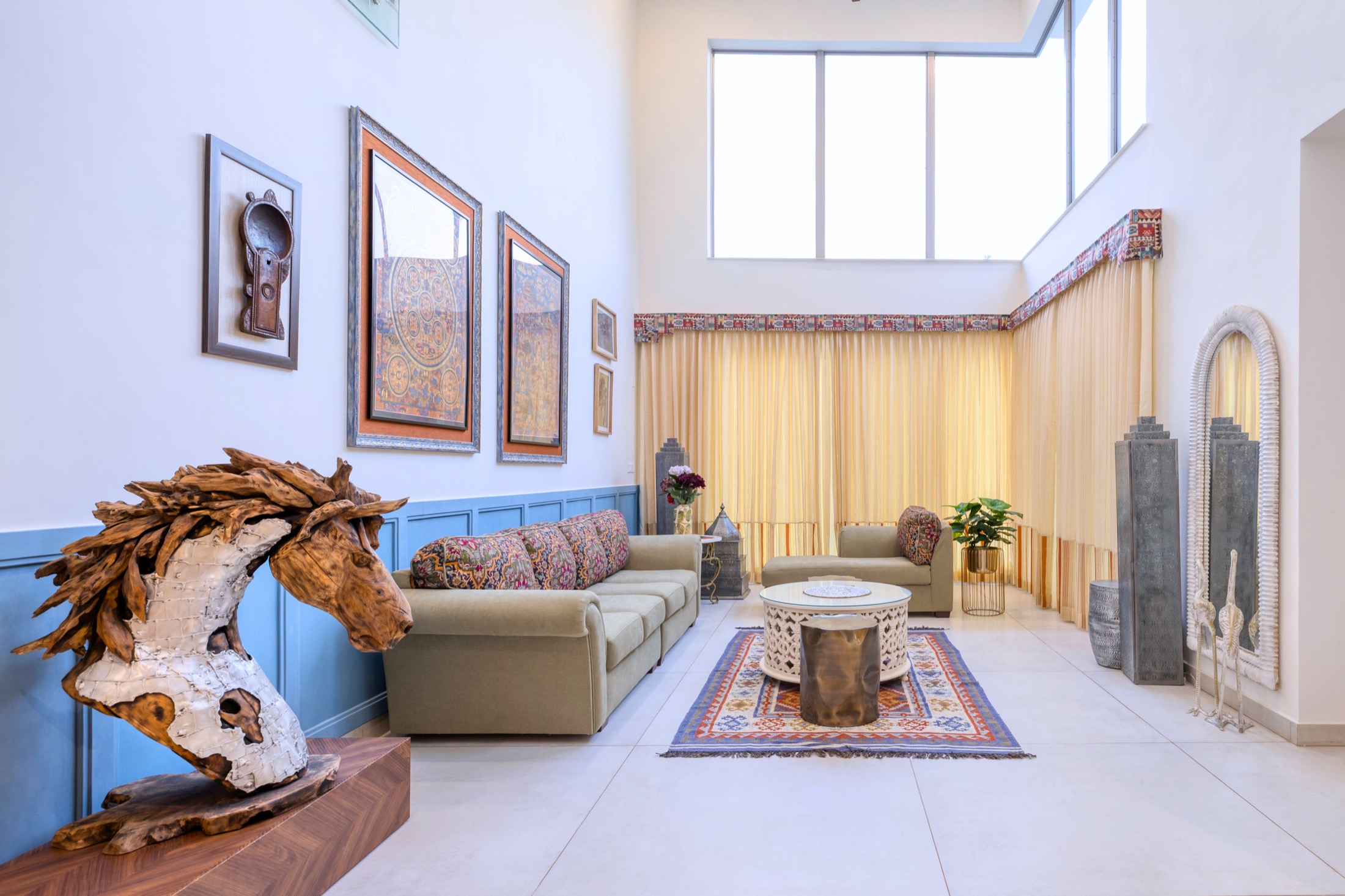
The foyer is the smallest room most homes have and the one that works hardest for its size. It has to absorb the mess of arriving — shoes, bags, keys, umbrellas on a rainy Bangalore evening — while also setting the tone for everything beyond it. A foyer that manages both jobs well makes the rest of the home feel calmer by the time anyone actually reaches it.
The First Impression Happens Before the Living Room
Whatever material, colour or piece sits directly in a visitor's line of sight when the front door opens does more work than any other single design decision in the house. A console table with one considered object, a piece of art, or simply a well-lit wall in a good finish gives the eye somewhere confident to land, rather than an immediate view into a cluttered living room.
This sightline is worth checking with the actual door swing and furniture in place, not just on a floor plan, since the angle a person actually sees on entry is often narrower and more specific than a plan drawing suggests. A few degrees of difference can mean the difference between a considered view and an accidental one straight into a passage or a cluttered corner.
Storage Is the Real Function of a Foyer
However elegant a foyer looks, it fails if it doesn't genuinely absorb shoes, keys, bags and outdoor items before they migrate into the rest of the home. A closed shoe cabinet sized for the household's actual footwear count, a small drawer or bowl for keys, and a hook or two for bags and umbrellas cover most of what a foyer needs to hold, and closed storage keeps all of it out of view.
Ventilation matters more here than people expect, particularly for shoe storage in Bangalore's humid stretches — a closed cabinet with no airflow traps moisture and odour, so a vented back panel or small gaps in the cabinet design keep the space usable rather than becoming something everyone avoids opening.
Lighting the Transition From Outside to Inside
The foyer sits at a genuine light transition — bright daylight or dim exterior lighting outside, and a different level entirely inside — and a foyer lit too dimly relative to both feels like a gap rather than a room. A slightly brighter, warmer light in the foyer than the immediate exterior smooths that transition and makes the entry feel deliberate rather than accidental.
- A warm, welcoming light level distinct from both the exterior and the interior beyond
- Task lighting near any mirror or console for a genuine last-check before leaving
- A light source that reaches into shoe storage, since foyers are often naturally dim
- Motion-sensor or easily reachable switching, given hands are often full on arrival
- Avoiding a single harsh downlight directly at the door, which flattens the whole space
Flooring That Can Take the Daily Wear
A foyer floor takes more grit, water and daily wear than almost anywhere else in the house, since it's the point where the outside world's dust and dampness first meet the interior finishes. A durable, water-resistant material — stone, a good quality tile, or a hardy engineered floor — at the immediate entry zone protects softer flooring further inside from that constant contact.
A change in floor material at the foyer's edge, marked by a clean threshold detail, also reinforces the sense of arrival rather than the foyer blending invisibly into the living space — it gives the entry sequence a clear beginning and end, which matters more to how a home feels than its size on the plan does.
Scale and Proportion in a Genuinely Small Space
Most Bangalore apartment foyers are compact by necessity, and the instinct to fill that small footprint with a large console or an oversized light fixture usually backfires, making the space feel tighter rather than grander. A slim, well-proportioned piece of furniture and a fixture sized to the room, not to a showroom photograph, keeps a small foyer feeling intentional rather than crowded.
Mirrors are a genuinely useful trick in a tight foyer, both for the practical last-glance function and for the sense of extra depth they add to a small room, but position them to reflect something worth seeing — a piece of art, a considered wall finish — rather than the nearest cluttered shelf.
A good foyer does its job so quietly that nobody notices it working — they just feel settled by the time they reach the living room.
Planning your own home?
Let us collaborate to shape your home or office with the care it deserves.